
Valorant Patch 9.03 Ground Spread Change Reshapes Brimstone and Viper Lineups
Valorant Patch 9.03 introduced a small but consequential change that many players could have missed: Riot Games adjusted how ground-spreading abilities interact with terrain, directly affecting Brimstone's Incendiary and Viper's Snakebite. The update, listed under a modest section called 'Ground Spreading Abilities,' made the two damaging utilities more consistent in how they spread across the ground and apply damage within their diameter, particularly when they meet walls, boxes, rocks, and other map geometry. In 2026, the adjustment remains a useful case study in how a quiet quality-of-life fix can ripple through agent viability, post-plant setups, and competitive lineups.
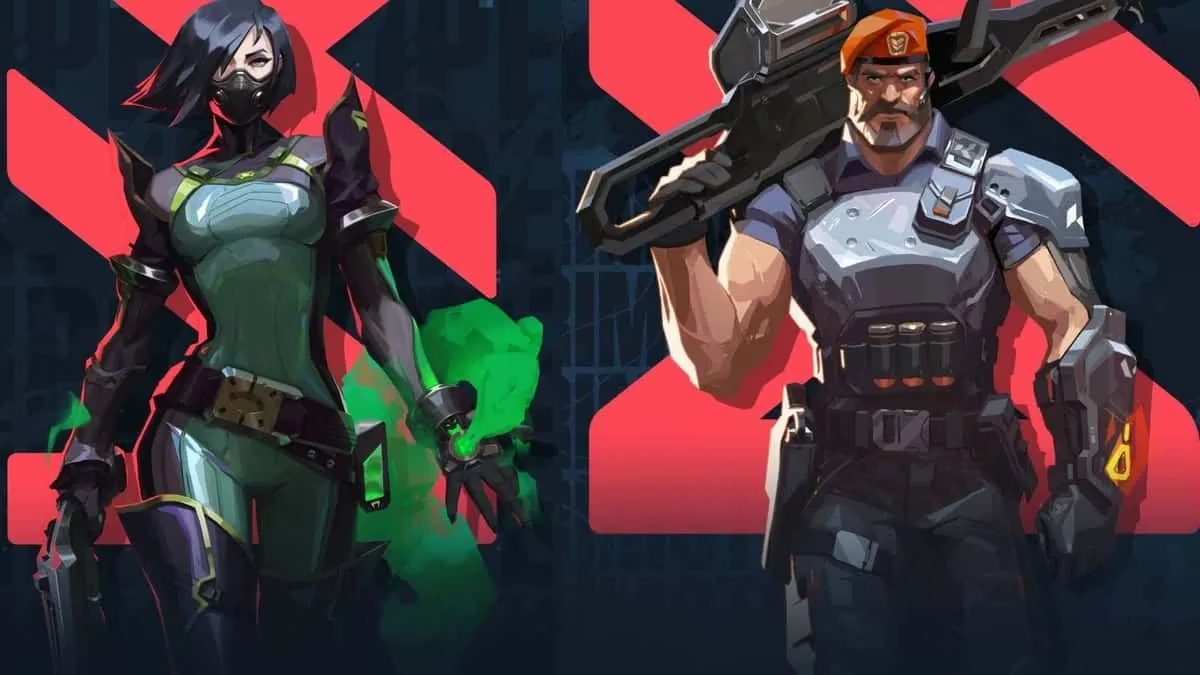
The core issue was simple on paper and complicated in practice. Before Patch 9.03, Brimstone's Incendiary and Viper's Snakebite could spread under certain terrain, including boxes, rocks, and walls, allowing the damage zone to reach enemies on the other side of those objects. That behavior enabled players to check corners with utility, craft lineups beside boxes, and create through-wall post-plant setups that opponents could not always see coming. Spike sites are frequently dotted with small and large boxes that have become safe or common plant positions in the meta, so the interaction mattered far beyond a niche bug report.
After the patch, the abilities behave more predictably in relation to terrain. The damage zone is blocked or shaped by map geometry instead of slipping underneath it. For players who rely on pixel-perfect utility placement, that difference can decide a round. A lineup that once covered a defuse or forced an enemy out of a corner may now be blocked by a single box edge. A one-pixel mistake can mean the difference between a successful post-plant delay and a wasted ability.
| Element | Before Patch 9.03 | After Patch 9.03 |
|---|---|---|
| Incendiary and Snakebite spread | Could travel under boxes, rocks, and walls in some setups | Blocked or shaped by terrain; damage applied within the ability diameter |
| Lineup design | Through-wall and box-adjacent lineups were viable | Players must retest placements across every map |
| Post-plant utility | Creative setups could damage enemies behind cover | More consistent geometry, but less exploitative reach |
| Competitive impact | Surprise damage through walls was possible | Clearer rules, with possible tier-list effects |
Was this a bug fix, a balance change, or a stealth nerf? Riot's messaging pointed toward consistency and intent. The change signaled that the developers never meant for ground-spreading abilities to move through walls in the first place. That framing matters because it shifts the debate from raw power to competitive integrity. If utility is supposed to interact with map geometry in a readable way, then through-wall damage was always an exception waiting to be corrected. Yet for Brimstone and Viper specialists, the correction still functions as an indirect nerf.
Player reaction was mixed. Some Valorant fans welcomed the change because they were tired of taking unexpected damage through solid cover. One player said, 'Let's go!! I always thought this was super annoying.' Others were far less enthusiastic, with another player calling the adjustment 'EVIL.' The split response reflects a familiar tension in tactical shooters: utility that feels unfair to receive can feel skillful and creative to deploy. The same lineup that frustrates an opponent can be the product of hours of practice in a custom lobby.
For Brimstone and Viper mains, the practical work is clear. Every lineup tied to ground spread should be tested again across the full map pool. Players should verify whether the ability still covers common plant spots, whether boxes now block the damage zone, and whether old post-plant timings remain viable. Coaches and analysts may also need to reassess how much value the two agents provide on sites where boxes and tight geometry once amplified their utility.
Could the change push Brimstone and Viper down the tier list? That remains uncertain. Brimstone still offers smoke support, stim, and global pressure, while Viper remains a powerful area-denial agent on certain maps. The patch did not remove their core identities. It removed a layer of unintended reach, and that may be enough to alter specific setups without destroying the agents overall. In 2026, the lesson from Patch 9.03 is that map geometry is not a cosmetic detail in Valorant. It is part of the balance system, and even a small note in the patch notes can reshape how two popular agents are played. 🎯",
"language": "en