
Valorant Map Rotation: A Player's Journey Through the 2025 Changes
As a long-time Valorant player, I've learned that the map pool is never static—it's more like a revolving door at a busy hotel, where some rooms get locked for renovation while others welcome new guests. Riot Games has kept this rotation going since Episode 5, and with 11 maps in the game but only seven active for Ranked and esports, every update sparks fresh debate. Here's my take on the current state of things, especially the 2025 changes that reshaped my competitive experience.
The Current Pool After Patch 10.00
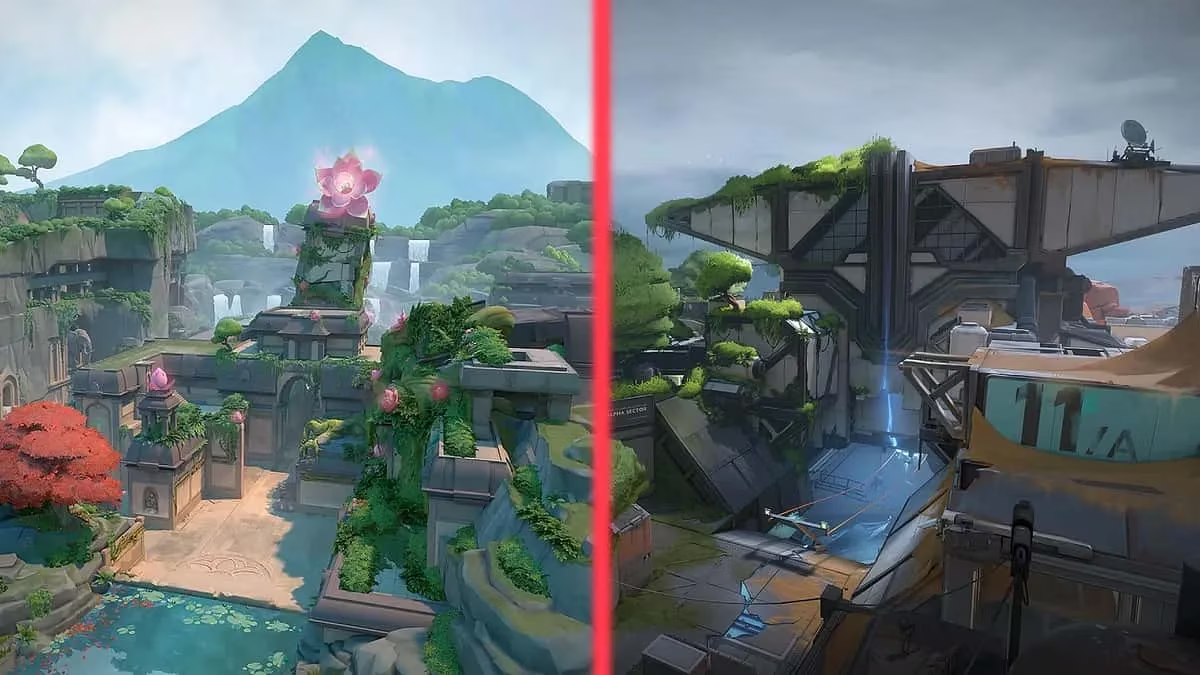
When Patch 10.00 went live on January 7, 2025, as part of Season 2025 Act 1, Riot made a significant shift. Ascent and Sunset were benched, while Fracture and Lotus rejoined the fray. The active rotation for Ranked and esports looks like this:
| Map | Vibe Check |
|---|---|
| Pearl | 🌊 A tactical underwater city that rewards patient defaults |
| Split | 🏙️ Vertical chaos with ropes and tight chokes |
| Bind | 🌀 Teleporters that make rotations feel like a magic trick |
| Haven | 🏯 Three sites, endless flanking nightmares |
| Abyss | 🕳️ A no-boundary map that tests your fall awareness |
| Fracture | 🔀 Attackers spawn on both sides—absolute mind games |
| Lotus | 🌸 Three sites with rotating doors and a silent step |
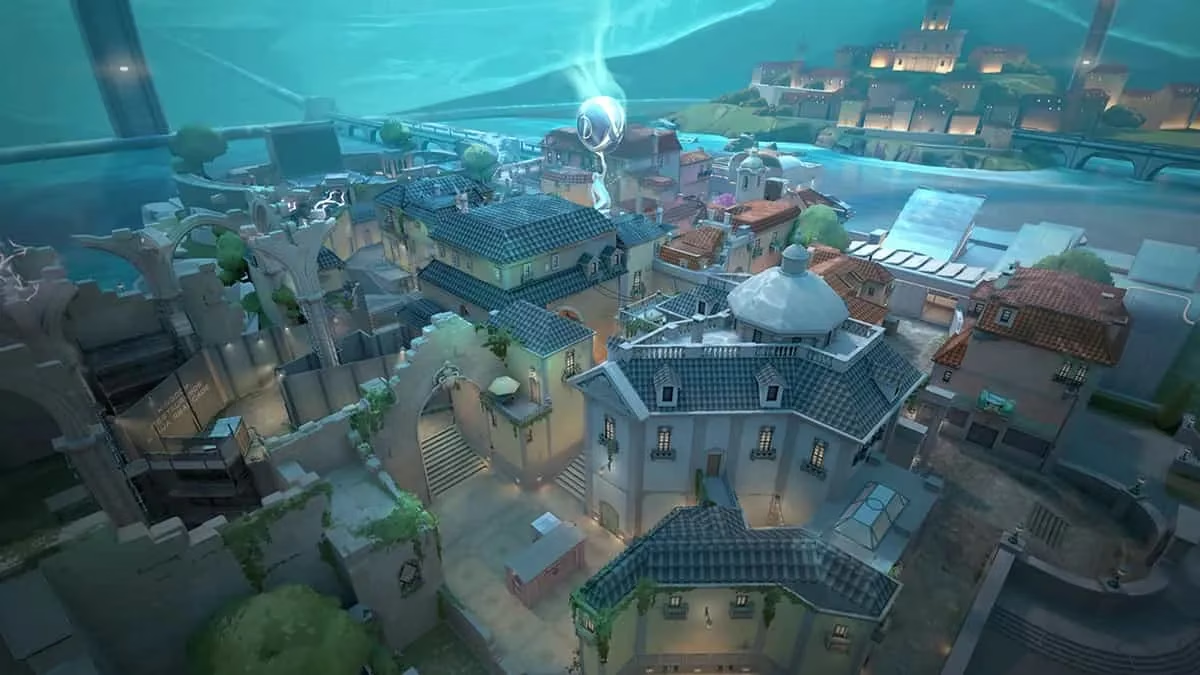
I remember the community's reaction to Ascent being removed—many players had been calling for its improvement for ages, and finally, they got their wish. For me, Ascent always felt like that one pair of shoes you wear every day until you realize the sole is worn thin. A break was welcome.
The Upcoming Patch 10.04 Shake-Up
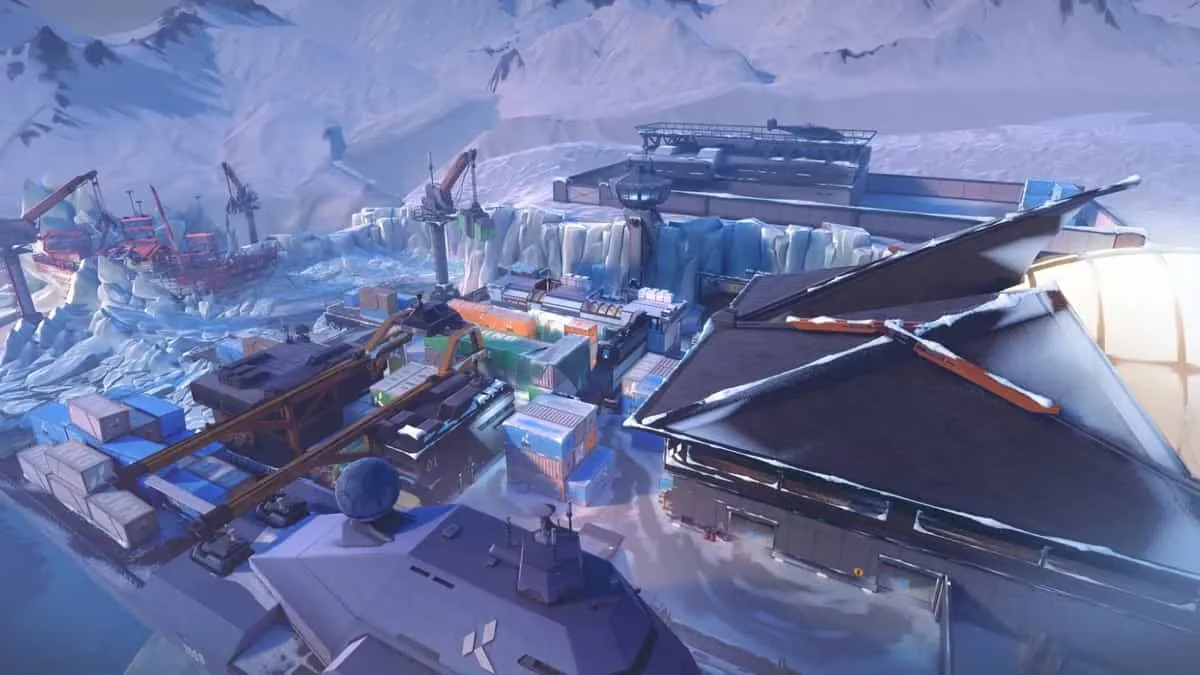
Then came the announcement for Patch 10.04, scheduled for March 4, 2025, as part of Season 2025 Act 2. Riot confirmed that Icebox and Ascent would return to the pool, while Bind and Abyss would be removed. This left me scratching my head—and I wasn't alone. Abyss, one of the most disliked maps in the community, was making a comeback, while Bind, a fan favorite, was getting the boot.
Why this seemingly backward logic? Riot's reasoning, as I've come to understand, is twofold. First, a smaller pool of seven maps makes the learning curve less daunting—it's like trying to memorize seven phone numbers instead of eleven. Second, removing maps gives level designers breathing room to tweak and polish them based on internal feedback and community complaints. Think of it as a chef taking a dish off the menu to perfect the recipe before serving it again.
I have to admit, losing Bind stings. Its teleporters and tight corridors created a rhythm I genuinely enjoyed, like a well-choreographed dance where every step matters. Abyss, on the other hand, always felt like walking a tightrope without a net—exhilarating for some, terrifying for most. But I trust Riot's long-term vision.
Why Rotation Matters (and Why I Keep Coming Back)
The constant map rotation is a double-edged sword. On one hand, it keeps the game fresh—I never get too comfortable with a single layout. On the other hand, it forces me to relearn callouts and strategies every few months. Yet, that's part of Valorant's charm. The rotation isn't just about variety; it's about giving each map a chance to shine, get fixed, or take a well-deserved rest.
In 2026, looking back, I see that the 2025 changes were a turning point. Riot's approach—adding and removing maps based on player feedback and design needs—has made the competitive experience more dynamic. Yes, some decisions felt like a puzzle missing a piece, but that's the nature of a living game.
If you're a newer player, here's my advice: embrace the rotation. Learn the current seven maps deeply, but don't neglect the others—they'll return when you least expect it. And remember, every map has its own story, its own quirks, and its own way of making you a better player.
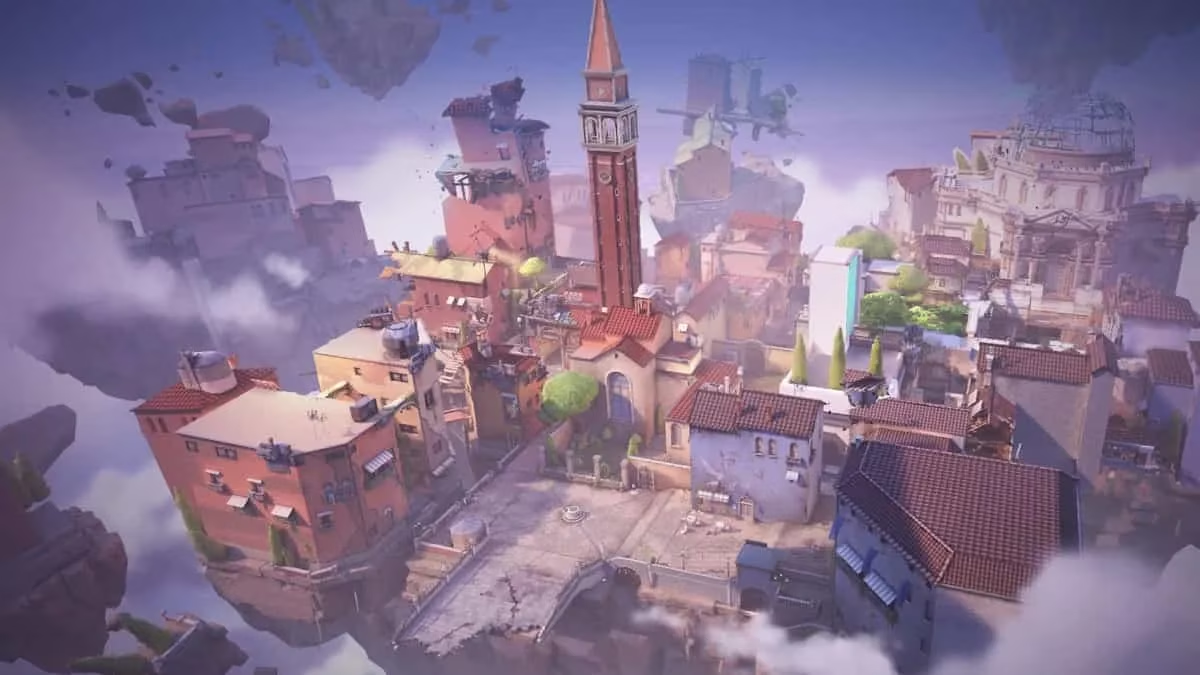
As I queue up for my next match, I can't help but wonder which map will surprise me today. That's the beauty of Valorant's rotation—it's a carousel that never stops, and I'm happy to keep riding.