
Valorant 9.10 Retrospective: How Phoenix, Regen Shield, and Weapon Tweaks Shaped the Meta
Back in November 2024, Riot dropped Valorant patch 9.10, and as I look back from 2026, it’s clear this update was a turning point. I remember reading the notes and thinking, “Finally, Phoenix is getting some love.” But it wasn’t just the fiery duelist—Cypher, Sage, Deadlock, Omen, Clove, and Jett all saw changes, along with a brand-new armor piece called the Regen Shield and some serious weapon tuning. Even now, the ripple effects are still felt in ranked queues and pro play. So let me walk you through what made 9.10 so memorable, and why it still matters two years later.
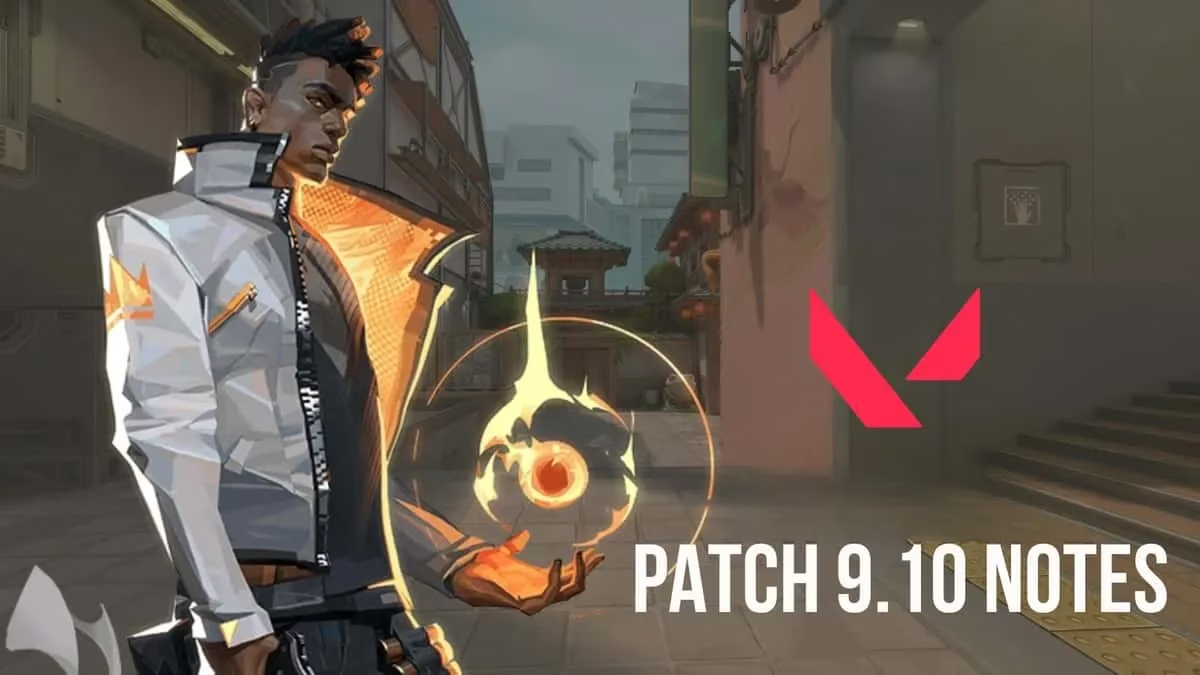
The headline for me was Phoenix. Riot wanted to encourage him to get back into fights quicker, and they did that by giving him a heal-over-time whenever he touches his own flames—even after leaving the fire. That change alone made him a much more aggressive entry. His Curve Ball moved to the signature slot with a free charge each round and a two-kill reset, while Hot Hands became a 200-credit non-signature ability. And Blaze? It now functions like Harbor’s High Tide, with the initial projectile going through walls. That let Phoenix cast from safety for his teammates, which was a huge buff for coordinated play. I still see Phoenix players using that wall to block sightlines and then diving in with the heal ticking.
But Phoenix wasn’t the only agent under the knife. Cypher’s Trap Wire got a 0.5-second windup before the full wallhack reveal, giving enemies a bit more counterplay. His Neural Theft ult cost went from 6 to 7, which felt fair given how strong it had been. Sage received a self-heal buff from 30 to 50 HP, and her heal time matched ally heals at around 5 seconds. Her Slowing Orb now reduces dash speed by 50% for enemies caught inside—similar to the concuss changes. And her Resurrection ult dropped from 8 to 7. Deadlock’s Annihilation cocoon now always kills the target when the timer expires if they aren’t freed, which made her ult much more reliable. Omen’s Dark Cover now always falls to level geometry where players can stand, preventing those nasty one-way smokes on ornamental pieces. Clove’s Ruse got better ally/enemy clarity, and Not Dead Yet’s kill window shrank from 12 to 10 seconds. Jett’s passive Drift bug was fixed so she can’t float while suppressed or detained. It was a lot to digest, but each change felt targeted.
Then there was the Regen Shield. At 650 credits, it absorbed 25 HP and had a 50 HP regeneration pool. After a brief delay, it would regenerate by draining remaining points. I’ll be honest—I was skeptical at first. But it carved out a nice niche for players who wanted a cheaper defensive option that rewarded survival. It didn’t replace Heavy Shields, but it added a layer of tactical choice in the buy menu. I still see it used on save rounds or by agents who can disengage and let the shield refill.
Weapon changes were equally significant. Riot increased movement error penalties for pistols, rifles, and machine guns, but left SMGs untouched. The idea was to encourage intentionality in movement when shooting. The Phantom got a buff: its damage fall-off changed to 39 damage between 0–20m and 35 damage beyond 20m, removing the 31 damage at 30m+ and reducing frustrating 140 headshots. The Frenzy got 15 bullets (up from 13), while the Ghost dropped to 13 (down from 15). I remember adjusting my pistol buys almost immediately—the Ghost felt less spammy, and the Frenzy became a more viable close-range option.
Gameplay systems also got some love. The Combat Report now delayed utility usage stats until the round resolved, so you couldn’t accidentally learn that your flash blinded someone you never saw. Concusses now slow enemy dashes by 50%, which made defensive teleports more appealing. Overheal UI got a visual update for Reyna and Clove, and smoke visuals added internal cues for when they’re about to disappear—affecting Astra, Brimstone, Omen, and Clove. These small quality-of-life changes added up to a more readable game.
Even Premier got updates: a visual divider for demotion cutoff, a playoff qualification message, and Contender Eligibility expiration dates. As someone who plays a lot of Premier, those notifications were a welcome improvement.
Looking back from 2026, patch 9.10 was more than just a balance update—it was a statement. Riot showed they were willing to shake up agent identities, introduce new defensive options, and tighten weapon accuracy to reward deliberate play. Some changes have since been tweaked or expanded, but the core philosophy remains. Phoenix is still a popular pick, the Regen Shield is still in the shop, and the Phantom feels better than ever. If you ask me, 9.10 was one of the most impactful patches of that era, and it’s worth remembering as we move forward.