
Mastering Deadlock in 2026: Advanced Tactics and Meta-Defining Strategies
As we move deeper into 2026, Deadlock has solidified her position within Valorant's ever-evolving meta. Initially perceived as a complex Sentinel, her unique utility has proven to be a game-changer for teams willing to master her intricacies. My experience over the past few seasons has shown that her kit, when leveraged correctly, offers unparalleled control and disruption. Her four abilities—GravNet, Sonic Sensor, Barrier Mesh, and Annihilation—form a cohesive toolkit designed not just for defense, but for aggressive, information-driven plays that can dictate the pace of a round.
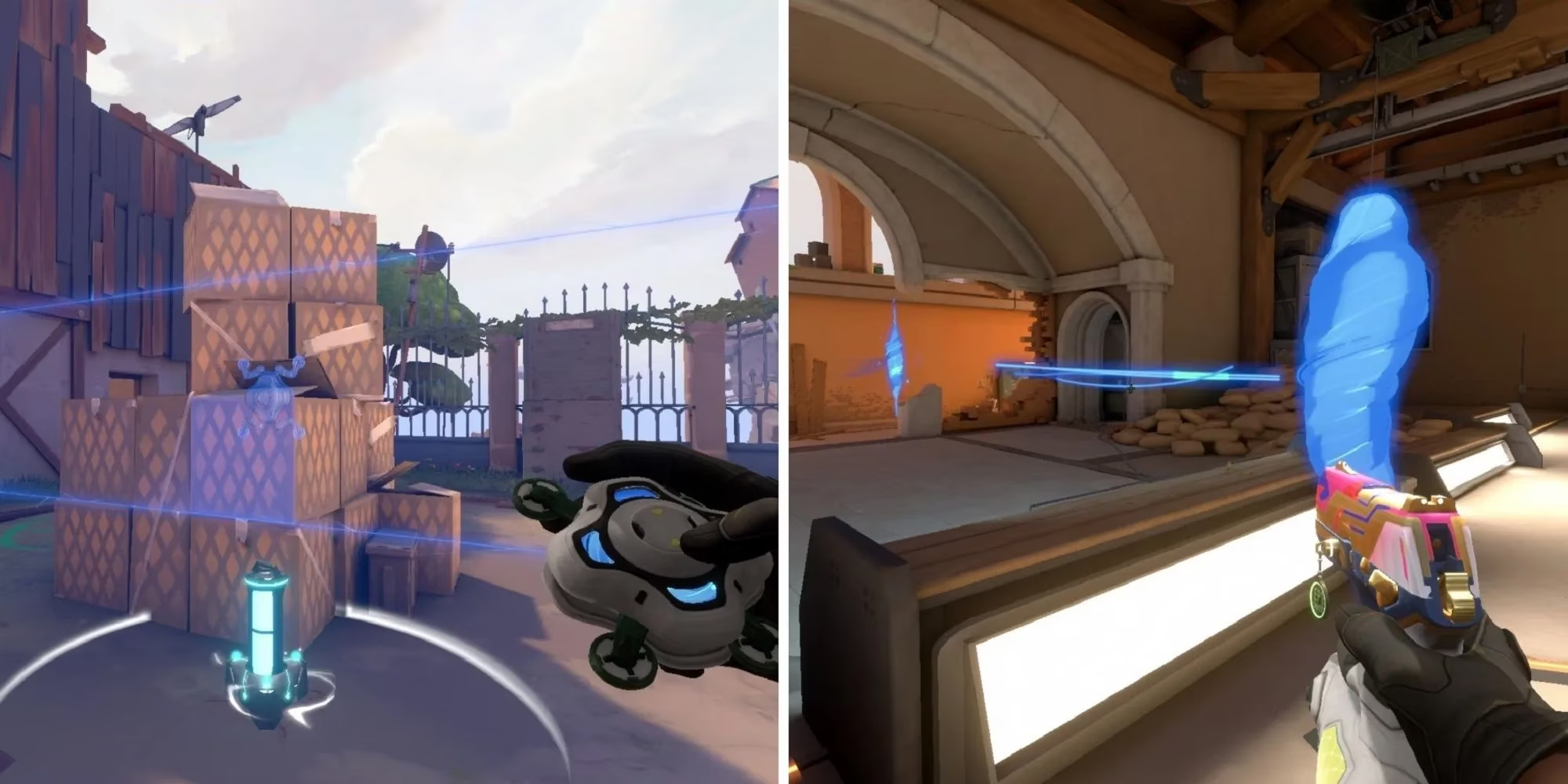
🤔 Rethinking Sonic Sensor Philosophy
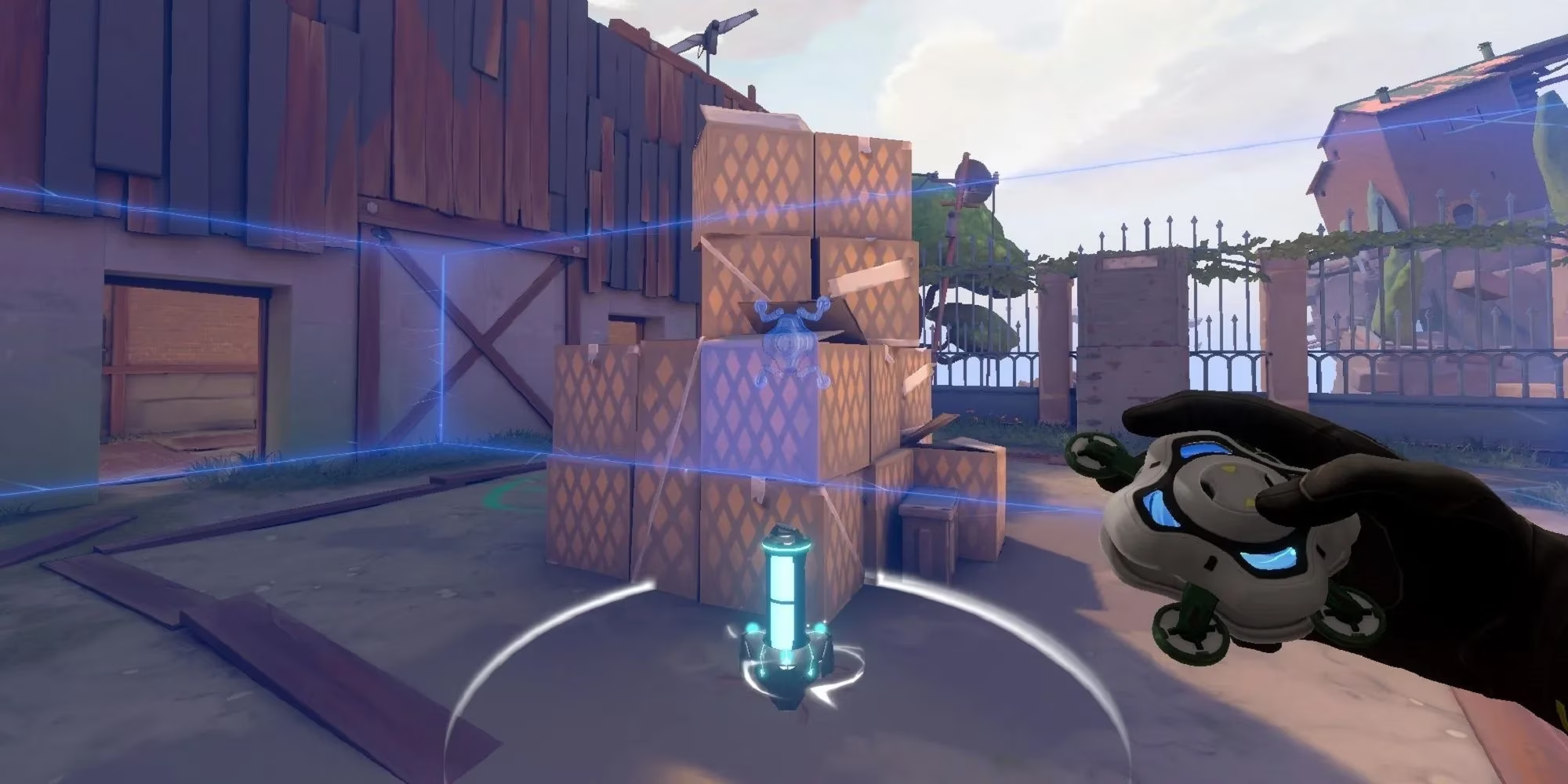
One of the biggest paradigm shifts for Deadlock players has been moving away from using Sonic Sensors as simple flank wards. The 2026 meta is dominated by patient, sound-aware players. Relying on Sonic Sensors to catch a silent flanker is a recipe for disaster. I've learned the hard way that this ability doesn't function like a Cypher Tripwire. It requires audible noise—running, shooting, or ability use—to trigger. Placing it on a common flank path and hoping is ineffective. Instead, its power lies in area denial and post-plant scenarios. Think of it as an audible trap for predictable, noisy pushes rather than a silent sentry.
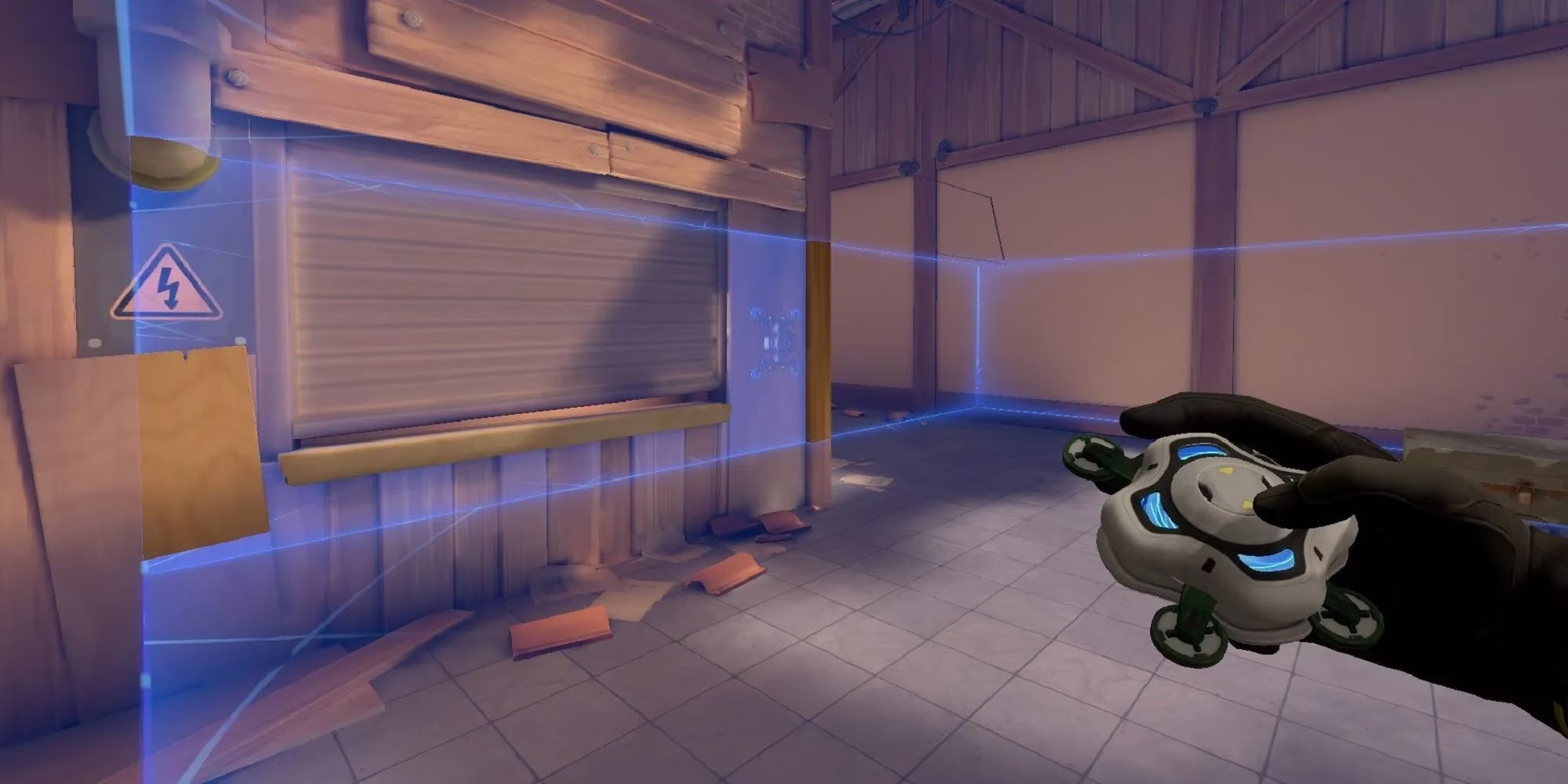
💥 GravNet: The Ultimate Combo Enabler
GravNet is arguably Deadlock's most versatile tool for executes. Its true potential is unlocked through synergy. I consistently combine it with area-damage abilities to clear stubborn defensive setups. The classic combo with Raze's Paint Shells remains potent, but the 2026 meta has expanded its partners. Throwing a GravNet into a Gekko Mosh Pit or a KAY/O FRAG/MENT creates a devastating "kill box" where enemies are slowed and taking damage. Mastering a few key lineups for maps like Bind (Lamps) or Ascent (B Main) ensures you don't waste this precious utility. The goal isn't always to get the kill yourself but to guarantee space for your duelists to operate.
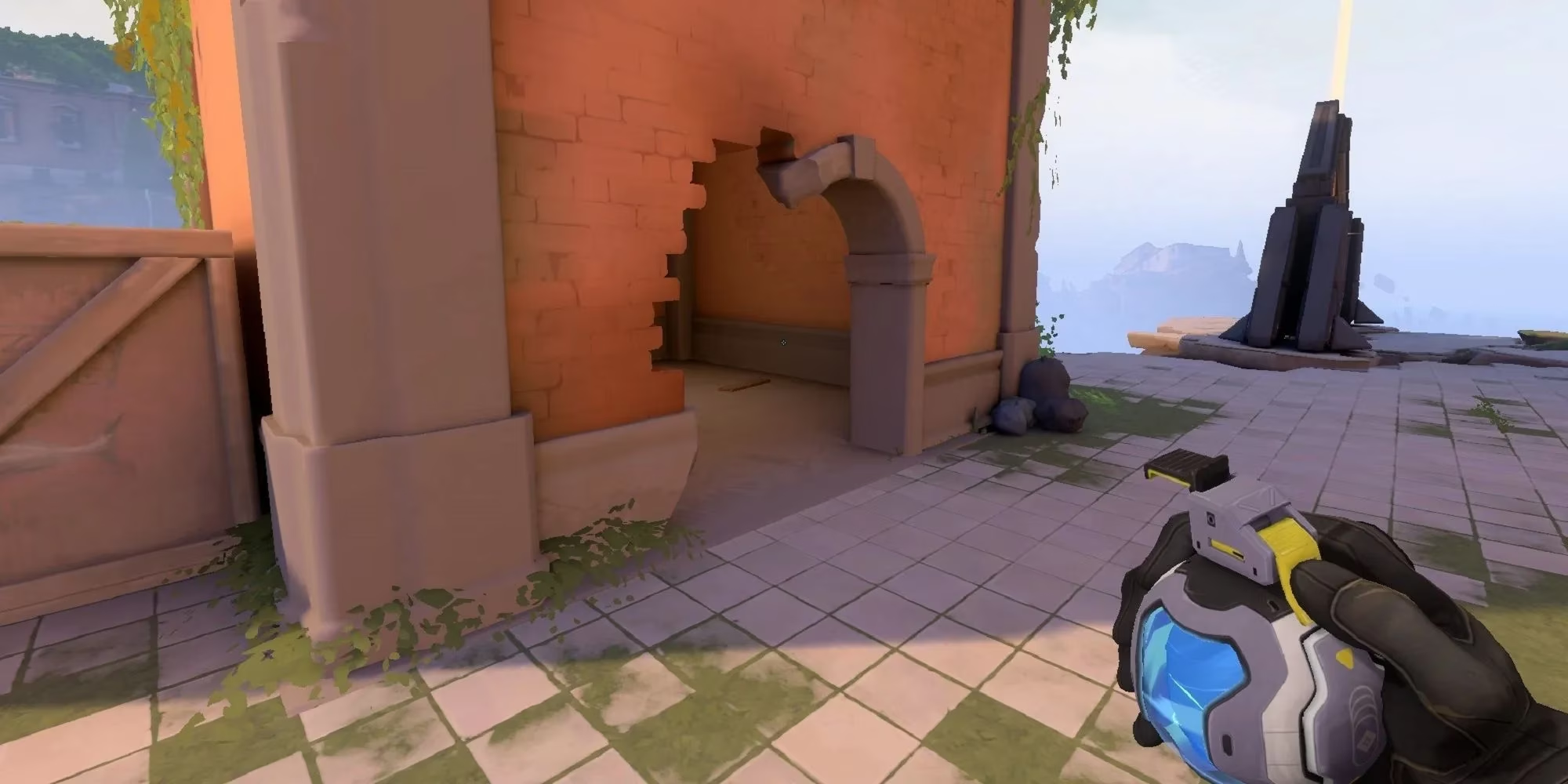
🧱 Barrier Mesh: Mastering Choke Point Control
Your free, round-based Barrier Mesh is a signature ability for a reason. The community's understanding of it has matured significantly. The key principle in 2026 is to target lanes and short, confined spaces. Throwing it down a long corridor is often less effective, as enemies can easily break it from a safe distance. Its best use is to completely seal a critical pathway, forcing a costly rotation or a vulnerable break-fight. For example, on Haven's A Site execute, a well-placed Mesh at CT spawn can single-handedly delay a retake for crucial seconds. It's not just a wall; it's a temporary map re-design tool.
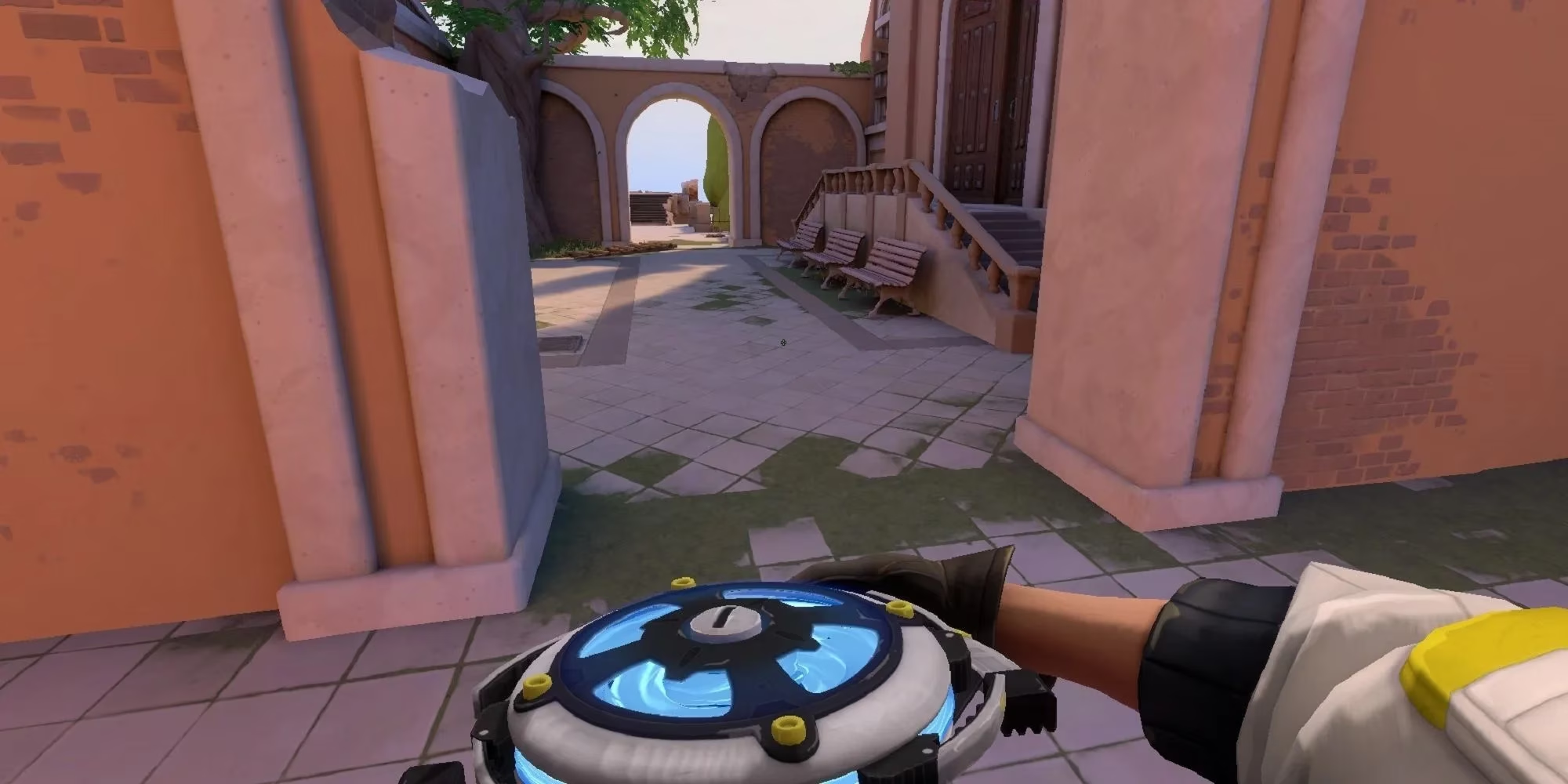
🌀 Annihilation: The Round-Swinging Ultimate
Annihilation's role has been refined. It's no longer just a fancy dueling tool. Its highest-value use is in retake scenarios and clutch 1v1s. During a 3v3 retake, capturing one defender instantly creates a 3v2, providing a massive advantage. The cocoon itself acts as a fantastic distraction. I often swing while enemies are focused on breaking their teammate free, catching them off guard. In 1v1s, especially post-plant, it's almost a guaranteed win. On attack, plant the spike and hold your ultimate. The defender must make a play, revealing their position and becoming a vulnerable target.
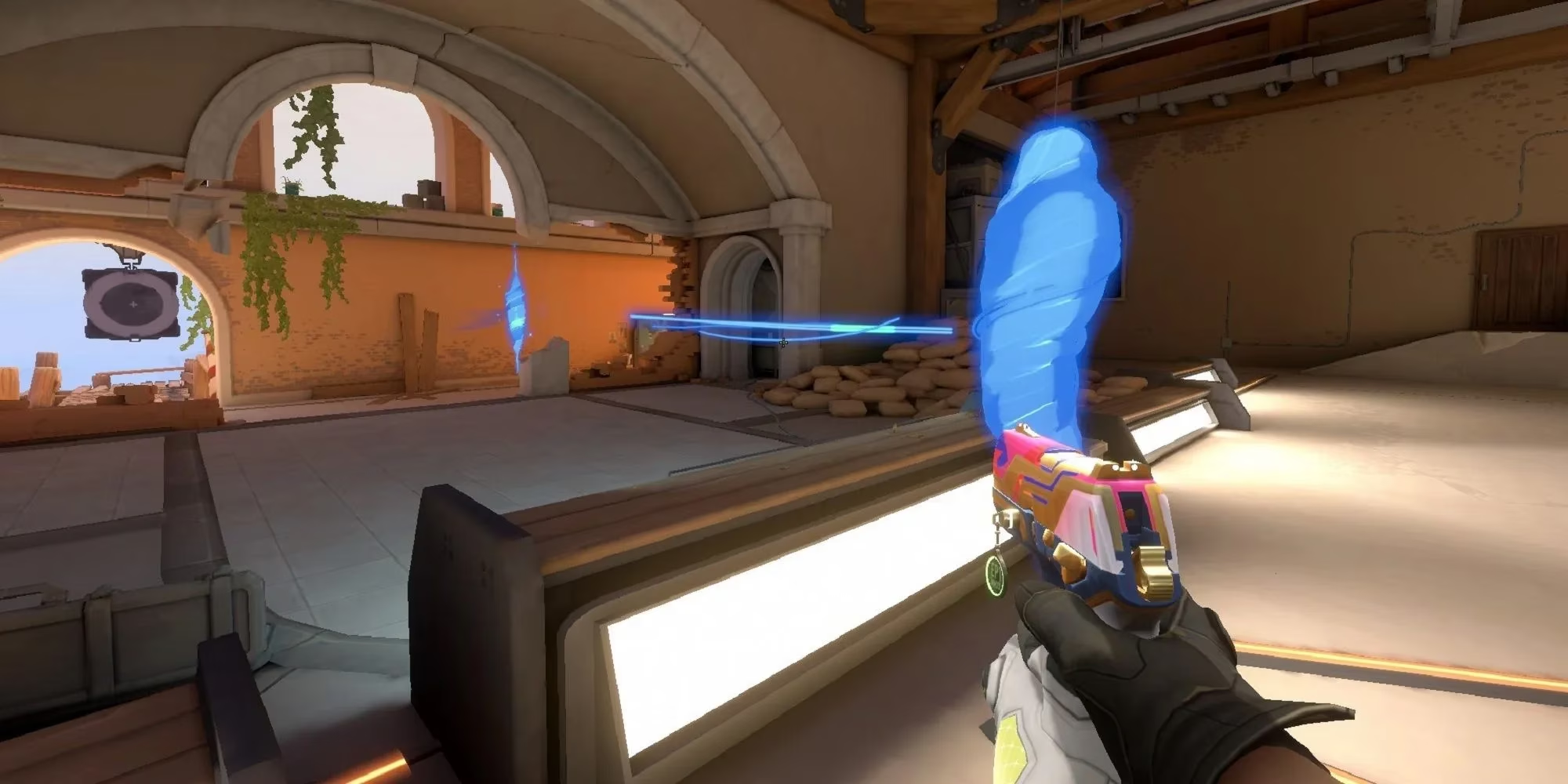
🔊 Sonic Sensor's Prime Location: The Spike
This is perhaps the most underrated and powerful tip for Deadlock mains. In the post-plant meta, placing a Sonic Sensor directly on or near the spike is a game-winner. A defender attempting to defuse will make noise, triggering the sensor and stunning them. This provides a clear audio cue and a free kill window. I look for sneaky wall placements near default plant spots. It turns a tense post-plant into a controlled waiting game and can single-handedly win eco or bonus rounds.
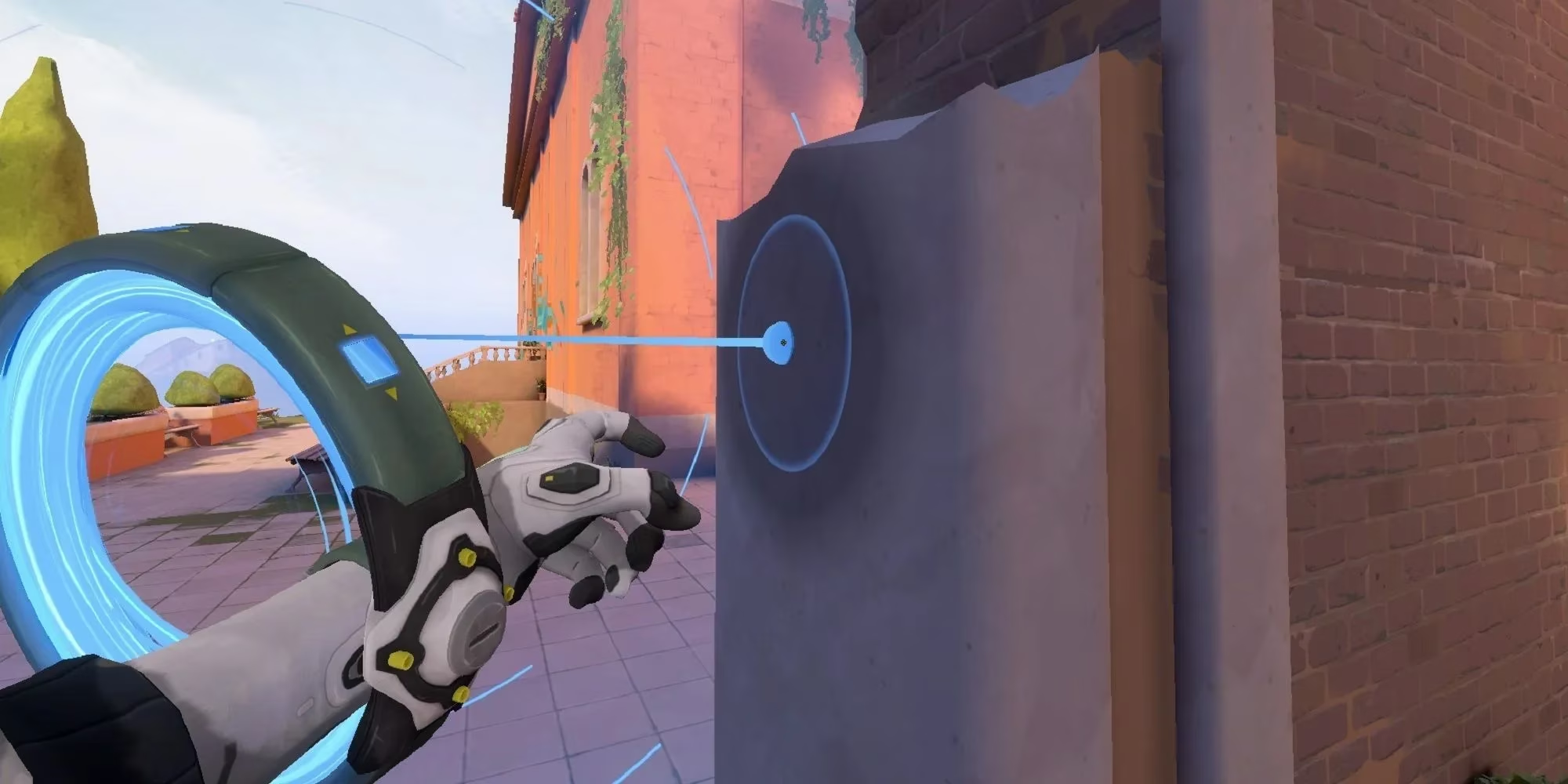
🎯 The Non-Negotiable: Annihilation Lineups
To be a true Deadlock master in 2026, learning consistent Annihilation lineups is non-negotiable. "Spray and pray" ultimates are a luxury you cannot afford. Each map has specific one-way throws from safety that can capture an enemy holding a common angle. I spend time in custom games practicing these from both attacking and defending sides. Knowing a reliable lineup for clearing a pesky Operator user on Ascent's mid-bottom, for instance, is invaluable. This knowledge transforms Annihilation from a risky ability into a precise, round-winning guarantee.
⚙️ Crafting Intelligent Defensive Setups
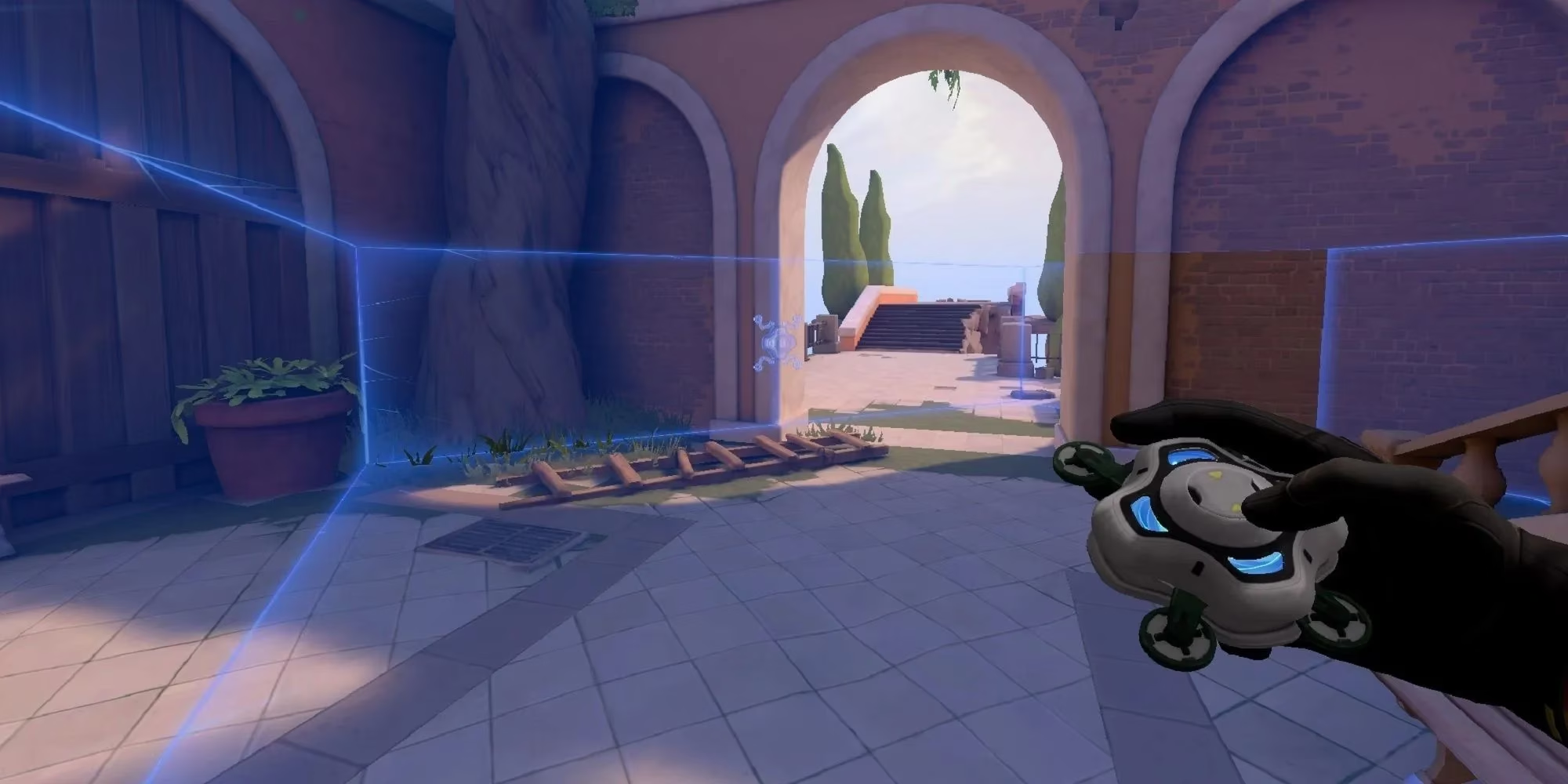
As a Sentinel, Deadlock excels at anchoring a site. Your defensive setup should be built around intelligent Sonic Sensor placement, with your other abilities held for reactive use. I design my setups to cover common entry points and predictable agent movements. Think about where a Raze might Satchel in, a Jett might Dash, or where the initial engagement noise will occur. Placing sensors at these chokepoints gives you early warning and a potential stun to win the opening duel. This proactive information gathering is the cornerstone of a successful Deadlock defense, allowing you to control the site's tempo before the attackers even arrive.
In conclusion, mastering Deadlock in 2026 is about embracing her role as an aggressive information Sentinel. She's not a passive watcher like early Sentinels but an active shaper of engagements. By moving beyond basic flank holds with her Sonic Sensors, mastering ability combinations, and using her ultimate with surgical precision, you can unlock a playstyle that is both highly effective and uniquely disruptive. The learning curve is steep, but the payoff for your team's composition and strategic depth is immense.