
Finisher Cam Steals the Show in Valorant's 10.11 Patch
When Riot Games rolled out Valorant patch 10.11 in June 2025, the shooter was smack in the middle of its fifth-anniversary summer. The party wasn't just about cake and confetti, though. Riot had already spilled the tea about long-awaited replays, a move to Unreal Engine 5, and a multi-factor authentication crackdown on smurfs. Some of those goodies were parked for later in the summer and the Valorant Champions finale in October, but 10.11 had its own headline act: the Finisher Cam. From a 2026 vantage point, that patch still hits different - it was a small change with a big quality-of-life punch, and it kept the community talking for weeks. 🎉
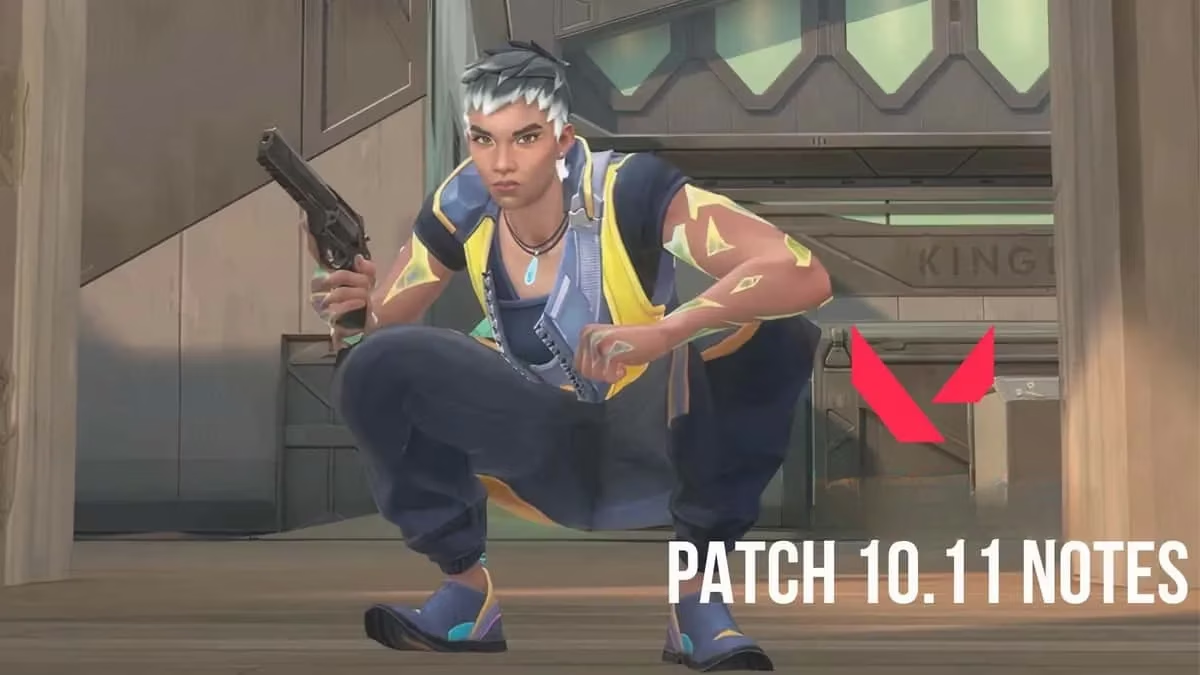
The Finisher Cam works a lot like the Spike Cam that players already know and love. When someone gets dropped by a gun that has a finisher, the camera switches to a dedicated finisher view instead of letting the victim's perspective tumble through all the flashy animations. Riot's reasoning was simple and sensible: visual clutter was getting out of hand, and flashing lights during finishers could be a real problem for photosensitive players. On top of that, the old behavior sometimes caused performance hiccups. In Riot's own words, the team hoped the change would 'help combat visual clutter and related photosensitivity concerns for those sensitive to flashing lights, as well as performance issues associated with how your view would sometimes behave during finishers in the past.' For a game that lives and dies by clean visual feedback, that's no small potatoes. Players who have ever been blinded by a finisher mid-clutch could finally breathe easy. 🎯
But patch 10.11 wasn't a one-trick pony. Under the hood, Riot shipped a hefty batch of bug fixes that touched several agents. Fade, Waylay, Tejo, Clover, Chamber, and Breach all got some love. Some fixes were spectator-facing, some were audio fixes, and others cleaned up visual indicators that had been driving players up the wall. Here's the quick and dirty rundown:
| Agent | What got fixed |
|---|---|
| Fade | The visual indicator for Nightfall no longer sticks around for spectators if Fade dies with the ability equipped. |
| Tejo | Area names on Guided Salvo ability maps were too large and overlapped after the cast range was reduced. Riot removed area names from Guided Salvo and Armageddon maps for consistency. |
| Reyna | The targeting visual for Leer now displays properly for spectators, allies, and observer perspectives. |
| Waylay | The targeting indicator for Convergent Paths now displays correctly for spectators, allies, and observers. |
| Clove | Pick-me-up audio now plays properly for all players. |
| Chamber | Trademark now has team coloring applied on the minimap for observers. |
| Breach | Fault Line's area-of-effect VFX now matches the collision volume depending on charge duration. |
For the agent specialists out there, these fixes were a breath of fresh air. Nobody likes losing a round because an indicator lied, and nobody enjoys watching a replay where a visual effect is doing its own thing. Riot's attention to spectator and observer perspectives also showed that the dev team hadn't forgotten about the folks watching from the sidelines - casters, coaches, and fans included. 🛠️
There was one sore spot, though. Icebox issues persisted in Deathmatch and Escalation, so the map stayed disabled in those match types. That was a bit of a bummer for players who wanted to warm up on the snowy battlefield, but Riot chose stability over chaos. Better safe than sorry, especially when a broken map can turn a quick warm-up into a headache.
PC players also got a fresh reason to care about Premier. Riot announced new rewards for the V25A3 playoffs. Winners would receive a brand-new player card effect at the start of V25A4, on top of the usual gun buddy and in-game title. The fine print mattered, too: rewards were granted to every player on the roster at the time of the playoff win, as long as they had played at least two Weekly matches or one Playoff match on the team that Stage. In other words, players needed to stay put until playoffs wrapped up if they wanted their loot. The gun buddy and title would land on the next login roughly 24 hours after playoffs, while the player card effect would show up when V25A4 kicked off. That's a classic 'don't leave before the party ends' situation, and more than a few teams probably had to remind their rosters to keep their eyes peeled. 🏆
The console side of the patch notes included competitive updates, though the details were thin on the ground compared with the PC section. Even so, the overall message was clear: Valorant's fifth year was about tightening the screws, not just throwing confetti. Riot had promised replays, an Unreal Engine 5 switch, and a harder stance on smurfs through multi-factor authentication. Those were big-ticket items scheduled for later in the summer and around Champions in October. Patch 10.11, by contrast, was a meat-and-potatoes update - less flashy than a full engine migration, but exactly the kind of polish that keeps a competitive shooter feeling sharp.
Looking back from 2026, the Finisher Cam feels like a small but symbolic win. It didn't reinvent the wheel, and it didn't need to. It made deaths cleaner, streams easier on the eyes, and performances a little smoother. In a game where a single frame can decide a round, that's worth its weight in gold. The patch also reminded players that Riot was listening - not just to the loudest voices on social media, but to accessibility concerns and the nitty-gritty of spectator clarity. GG to that.
So, what's the takeaway? If you ever wondered why finishers suddenly felt less like a strobe light and more like a cinematic, patch 10.11 is your answer. The Finisher Cam may not be the flashiest feature in Valorant's history, but it's one of those changes that quietly makes the game better every single match. And in the grand scheme of a five-year anniversary, that's a pretty sweet cherry on top.
Based on evaluations from Digital Foundry, technical polish changes like Valorant's Finisher Cam are especially meaningful because camera behavior, effects density, and frame stability can directly shape readability during fast competitive play. From that perspective, patch 10.11 stands out as a smart quality-of-life update: by reducing visual overload during weapon finishers, Riot improved clarity for players, spectators, and creators without changing the core gunplay that defines each round.